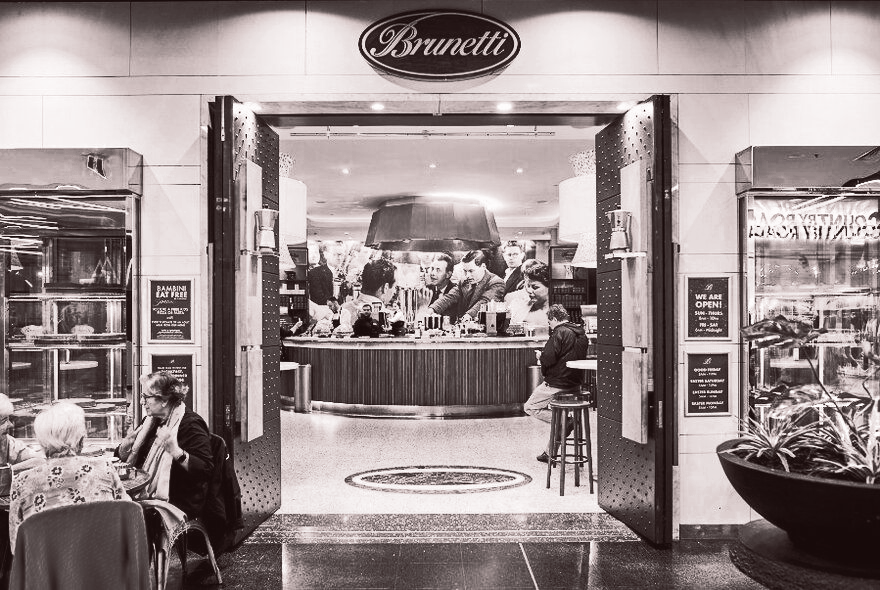

Why the right music matters more than you think in your business
Why music is one of the most overlooked parts of your brand experience

Most businesses treat music as an afterthought.
A playlist gets turned on in the morning and left to run all day. Staff jump in and out of control of it. Or it simply becomes whatever was playing yesterday.
It seems harmless, but it is not.
Music is one of the most powerful and underused tools in your business. It shapes how people feel the moment they walk in, how they move through your space, how long they stay, and whether they come back.
If it is wrong, it creates subtle friction. If it is right, it quietly supports every part of the customer experience.
Music sets the tone before anything else does
When someone walks into your space, they are already forming an opinion.
This happens before they speak to your staff or properly look at your product. They are reacting to how the space feels, and music plays a big role in that.
Faster, more energetic music tends to create a sense of movement and urgency. Slower, softer music helps people relax and settle in. Familiar songs can feel safe and comfortable, while a more curated or niche selection can signal a more premium or considered brand.
Customers do not consciously analyse this. They are not thinking about your playlist. They are simply deciding, often within seconds, whether the space feels right to them.
It influences how people behave in your space
Music does not just affect mood, it changes behaviour.
The tempo, volume and style all influence how people move and interact. Faster music tends to increase pace. People walk quicker, make faster decisions and often spend less time browsing. Slower music encourages people to slow down, look around and engage more deeply.
Volume matters as well. A louder environment can feel energetic, but it can also become overwhelming and push people out sooner than you would like.
This is where intention matters. If your goal is to move people through quickly, a higher energy playlist may support that. If your goal is to keep people in your space longer, a more relaxed approach is usually more effective.
Most businesses are not making these decisions consciously. They are simply playing music they like, without thinking about the impact it is having.
Dwell time and spend are closely linked
There is a clear relationship between how long someone stays and how much they spend.
When people feel comfortable, they tend to linger. They browse more, they notice more, and they are more open to making additional purchases. The environment feels easy, so they stay.
When something feels off, even slightly, they leave sooner. The music might be too loud, too chaotic, or just not aligned with the space. They may not be able to explain it, but the result is the same.
You rarely get direct feedback about this. Customers do not say the music made them leave. They just shorten their visit and move on.
Music is part of your brand whether you manage it or not
Most businesses put a lot of effort into their visual identity. They invest in design, signage, layout and fit-out.
But music is often left unmanaged, even though it is just as much a part of the brand experience.
If your brand is positioned as premium or considered, but your music feels random or generic, there is a disconnect. If your brand is relaxed and welcoming, but the music feels intense or impersonal, that creates tension as well.
Customers may not be able to articulate the problem, but they feel it. Strong brands feel consistent, and that includes what people hear, not just what they see.
The wrong music quietly undermines everything else
You can have a well-designed space, a strong product and great service, and still create a poor experience if the music does not fit.
This is where it becomes more than just a “vibe” issue. It starts to impact how your business is perceived.
When music is inconsistent or poorly matched, it can reduce the sense of quality, create discomfort and shorten the time people spend with you. These are small shifts, but they add up.
One playlist all day does not reflect how your customers change
Customer behaviour is not the same throughout the day, yet many businesses use a single playlist from open to close.
The energy in the morning is different to the middle of the day, and different again in the afternoon or evening.
The mix of people changes, their mindset changes, and what they need from the space shifts as well.
If your music stays the same, it stops supporting what is actually happening in your business.
Even small adjustments in tempo and style across the day can better match the rhythm of your customers.
Leaving music to staff creates inconsistency
Handing control of music to staff is common, but it often leads to a fragmented experience.
Different people have different tastes. What one person thinks works, another might change completely. Over time, the music becomes inconsistent and disconnected from the brand.
Customers experience your business as one environment, not as a series of individual preferences. When the music keeps shifting, it can feel unsettled, even if people cannot quite explain why.
Music should be intentional, not incidental
The businesses that get this right treat music as part of their overall strategy.
They think about how they want customers to feel, how they want them to behave, and how music can support that. They align it with their brand, adjust it across the day and keep it consistent across their locations.
“Music is not just background, it is part of how a brand communicates. When it is done well, customers feel it immediately, even if they cannot explain why.”
Steven Worth, Owner, Mighty Mixes
It does not need to be complicated, but it does need to be considered.
Final thought
If you would not let a random playlist define your visual branding or customer service, it does not make sense to let it define your environment.
Music is one of the few things every customer experiences, from the moment they walk in to the moment they leave.
Used well, it supports everything you are trying to achieve. Left unmanaged, it can quietly work against you.
Want to get your music working properly?
If you have never really thought about your in-store music, or you know it is inconsistent, it is worth taking a closer look.
Start by asking a simple question, does your music match your brand and the experience you want customers to have?
If the answer is no, or you are not sure, that is usually where the opportunity sits.
“Most businesses are already playing music, they are just not using it properly.”
Steven Worth, Owner, Mighty Mixes
Mighty Mixes works with businesses to take the guesswork out of this, creating tailored, consistent music strategies that support how your space actually runs day to day.
Explore how it works or get in touch to have a quick conversation about your space and what might be possible.
Recent Posts